


Table of Contents
Overview
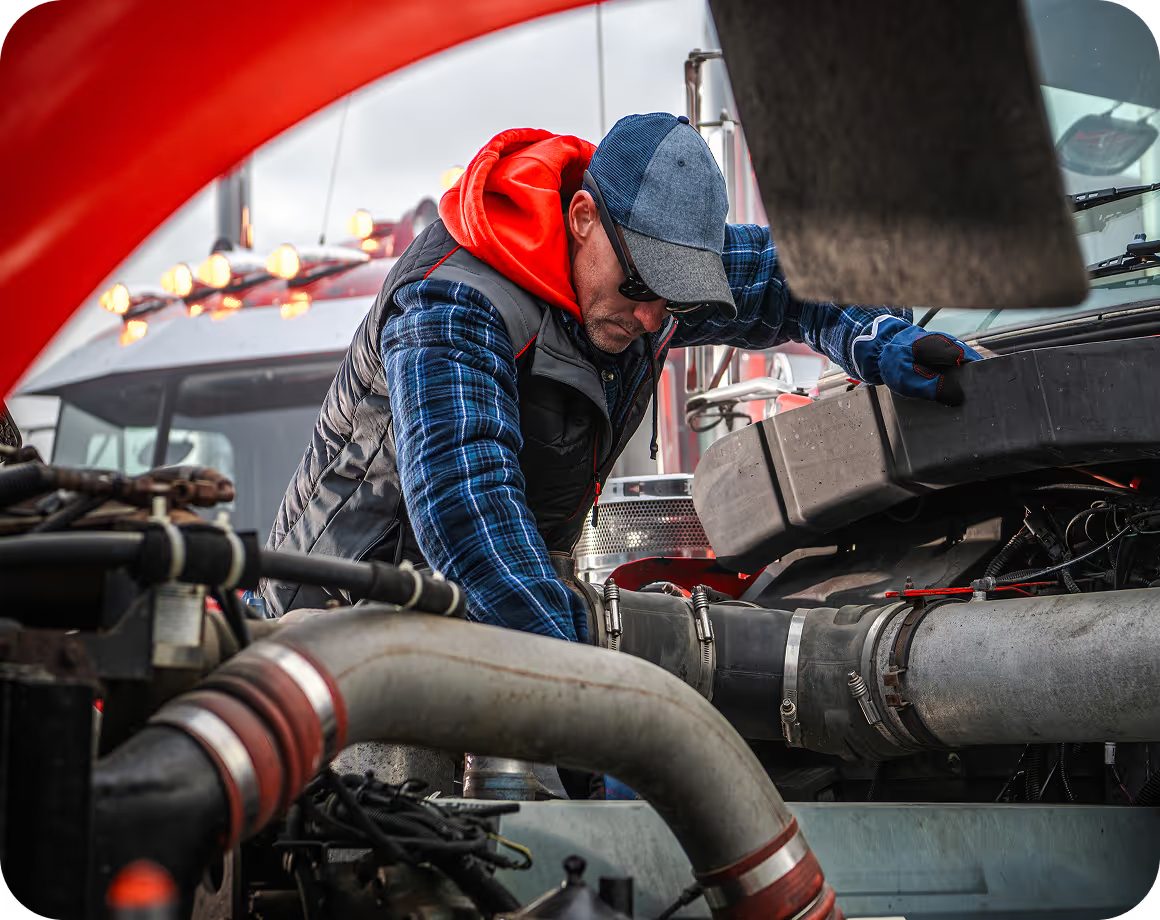
Maintenance becomes expensive when it’s unpredictable. Waiting until equipment fails shifts costs from planned services to emergency response. In small trucking fleets, each breakdown carries outsized operational and financial consequences.
The High Cost of Deferring Repairs in Fleet Operations
Maintenance is a significant fleet expense, consuming about 9% of the cost per mile. However, the real threat is a reactive approach. Unplanned maintenance, like emergency repairs, is the most financially detrimental event.
Direct repair costs are compounded by vehicle downtime, which halts revenue and hurts the bottom line. Statistical analysis shows that a "run-to-failure" philosophy is far more expensive than a structured, proactive maintenance plan, with costs climbing daily when a vehicle is sidelined.
For small fleets, deferring scheduled maintenance for short-term savings is a dangerous trap, leading to:
- Significantly Higher Repair Costs: Minor issues escalate into catastrophic failures.
- Unbudgeted Labor Complexities: Emergency repairs cause scheduling disruptions and require expensive, unplanned labor.
- Lost Revenue and Customer Trust: Downtime stops revenue and damages customer relationships through missed deadlines.
Ultimately, proactive maintenance is not an expense, but a critical investment in asset preservation, operational efficiency, and long-term financial stability. Ignoring planned service guarantees higher operating expenses and financial volatility.
How Repair and Maintenance Costs Take Shape in Small Fleets
In a small fleet, maintenance costs aren’t just about the repair invoice. They’re about when problems force action and how little room there is to absorb surprises. With limited spare trucks, tight cash flow, and packed dispatch weeks, timing matters as much as the fix itself.
When the trucks are on the road, several significant issues can arise for small fleets.
Breakdowns happen during the busiest times. When things are hectic or cash flow is tight, emergency breakdowns force expensive, rushed fixes instead of planned work, which translates to pricey parts, overtime pay, and roadside calls.
Downtime eats into earnings. An unexpected truck breakdown means losing hundreds of dollars a day in lost work and miles, and that loss is incurred even before the repair bill arrives.
Finally, factoring often becomes normalized. Once advances are used to cover routine expenses rather than true timing gaps, fees apply to a larger portion of the business and shrink margins.
Warning signs are missed. Without a central way to track maintenance, small signs of wear like brake noises or minor leaks can be ignored until a major failure occurs. This ultimately causes multiple small problems to snowball into one huge, costly emergency repair. Planning won’t eliminate breakdowns entirely. But for small fleets with little operational slack, recognizing how repairs cluster and how quickly those clusters drive up costs, explains why reactive maintenance consistently leads to higher cost per mile than more structured, proactive decisions.
What Control Actually Looks Like
Effective maintenance control doesn’t require a complex system or a dedicated team, and control isn’t predicting every failure. Maintenance stops feeling out of control when fleets manage decision windows, not just repairs.
Mastering Small Fleet Maintenance: Efficient, proactive maintenance is vital for small fleets to boost uptime, reduce unexpected costs, and extend asset lifespan.
- Integrate Maintenance with Operations
- Embed maintenance in daily operations, viewing vehicle downtime as operational failure
- Foster strong driver/dispatcher communication for early fault detection
- Condition-Based Monitoring
- Move past mileage only servicing
- Utilize onboard diagnostics (OBD) and telematics for real-time insights
- Ensure thorough visual pre/post trip inspections by personnel
- Use all findings to proactively schedule repairs before major breakdowns
- Harness the Power of Historical Data
- Maintain a detailed log for every asset (repairs, costs, mileage)
- Review data to identify recurring fault trends
- Establish proactive service schedules for similar units based on trends
- Smart Financial and Operational Planning
- Align maintenance with the business schedule and cash flow
- Schedule major work during low pressure periods
- Proactively budget for planned repairs to mitigate emergency cost shock
- Prioritize repairs:
- 1st: Safety/Regulatory
- 2nd: Immediate Failure Risks
- 3rd: Routine Tasks
The good news? Basic tech like telematics, logs, and alerts helps you spot problems right away and stops little issues from snowballing. You don't need some crazy complicated setup.
The Bottom Line
When trucks fail without warning, unplanned repairs and downtime can quickly multiply that cost, with emergency fixes costing several times more than comparable planned work once towing, premium labor, and lost revenue are included.
Fleets that learn to act before failures force their hand capture issues while there’s still flexibility to do so. They're able to avoid many of the costly knock-on effects that drive maintenance volatility. Done well, that turns maintenance from a recurring disruption into a predictable part of running the business.
Where to Go From Here
If you do nothing else: start tracking known issues and give yourself a decision window before they turn into breakdowns. Most maintenance savings come from when you fix things, not just what you fix. Use the helpful Maintenance Planning Checklist to get started.
Align decisions across the operation.
Share this article with anyone involved in maintenance, dispatch, or cash planning so repair decisions support uptime and financial stability not just immediate fixes.
Add structure where pressure starts.
The Mudflap Fuel Card helps small fleets stabilize fuel spend so maintenance planning, cash flow, and uptime can be managed together.
Explore the Cost Savings Playbook.
A practical guide to how operating costs interact across fuel, maintenance, cash flow, and utilization and where small changes tend to have the biggest impact