



Table of Contents
Overview
Fuel fraud rarely shows up as one large event. It often appears as small, overlooked transactions that accumulate over time. For small trucking fleets operating lean, limited oversight and delayed reconciliation can turn minor misuse into a meaningful margin leak.
Why Truck Fleets Lose Money Without Realizing It
If you run a small fleet, you already know the truth: most problems don’t show up with flashing lights. They show up as little things one off exceptions, edge cases, “we’ll look at it later.”
Fuel loss works the same way.
Loss usually comes from small, repeat irregularities, not obvious theft, especially as your fleet grows and gets more complex to manage.
Fuel fraud and misuse affect fleets of all sizes, but smaller operations feel the impact more sharply because they have less ability to detect and stop it early. Fuel is already one of the highest line item costs for fleets (around 30% of total operating cost), so a few percentage points in undetected loss hits margins harder in a small operation that doesn’t have the scale, tools, or dedicated staff to reconcile fuel spend quickly.
Large carriers often use real-time monitoring, integrated telematics, and automated alerts tied to route and vehicle data to spot unusual fuel purchases as they happen, which helps stop losses before they compound. Small fleets typically review transactions after the fact, using statements or manual logs, meaning irregular activity can repeat several times before anyone notices.
The goal isn’t to build an enterprise fraud department. It’s to reduce the conditions that let small irregularities compound.
[[cool-background-start]]
Where Control Slips Before Anyone Notices
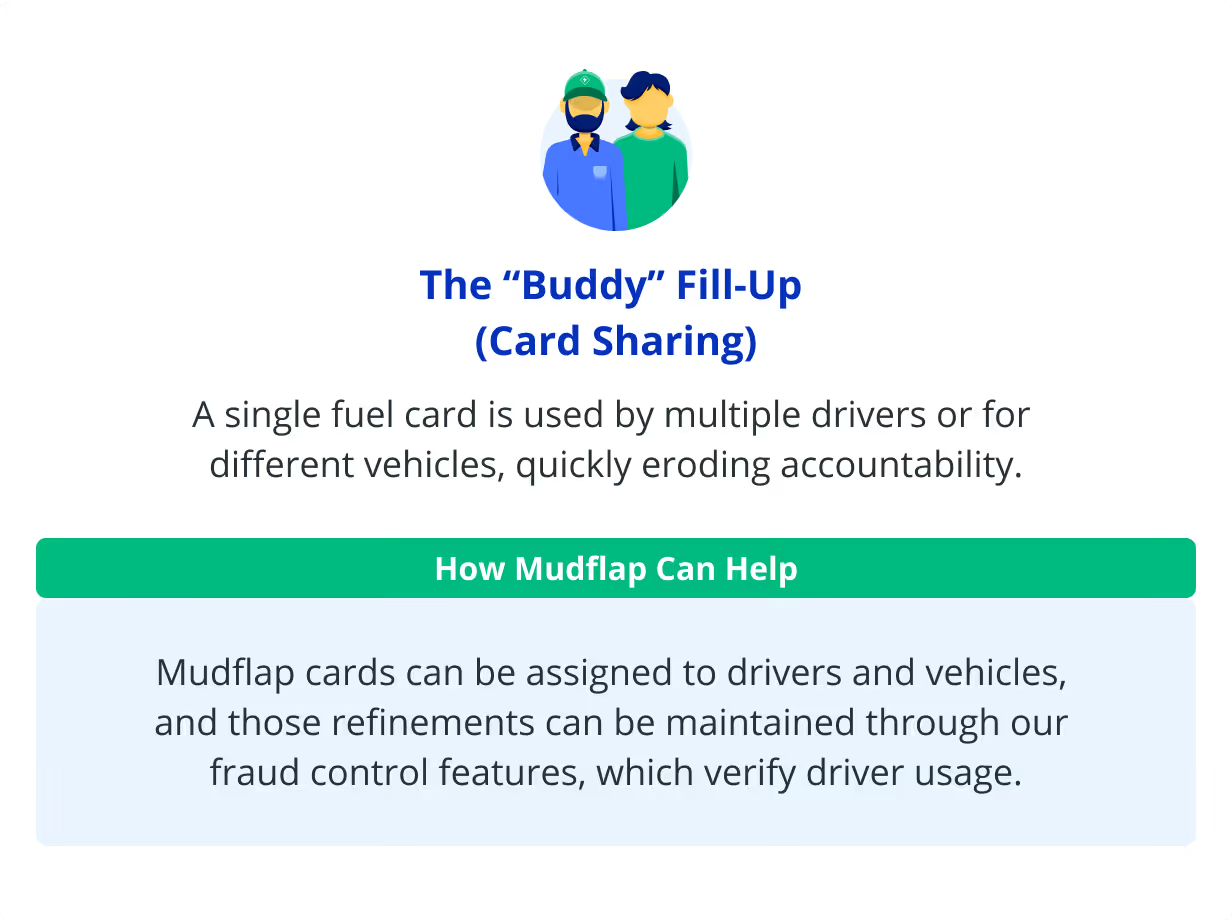
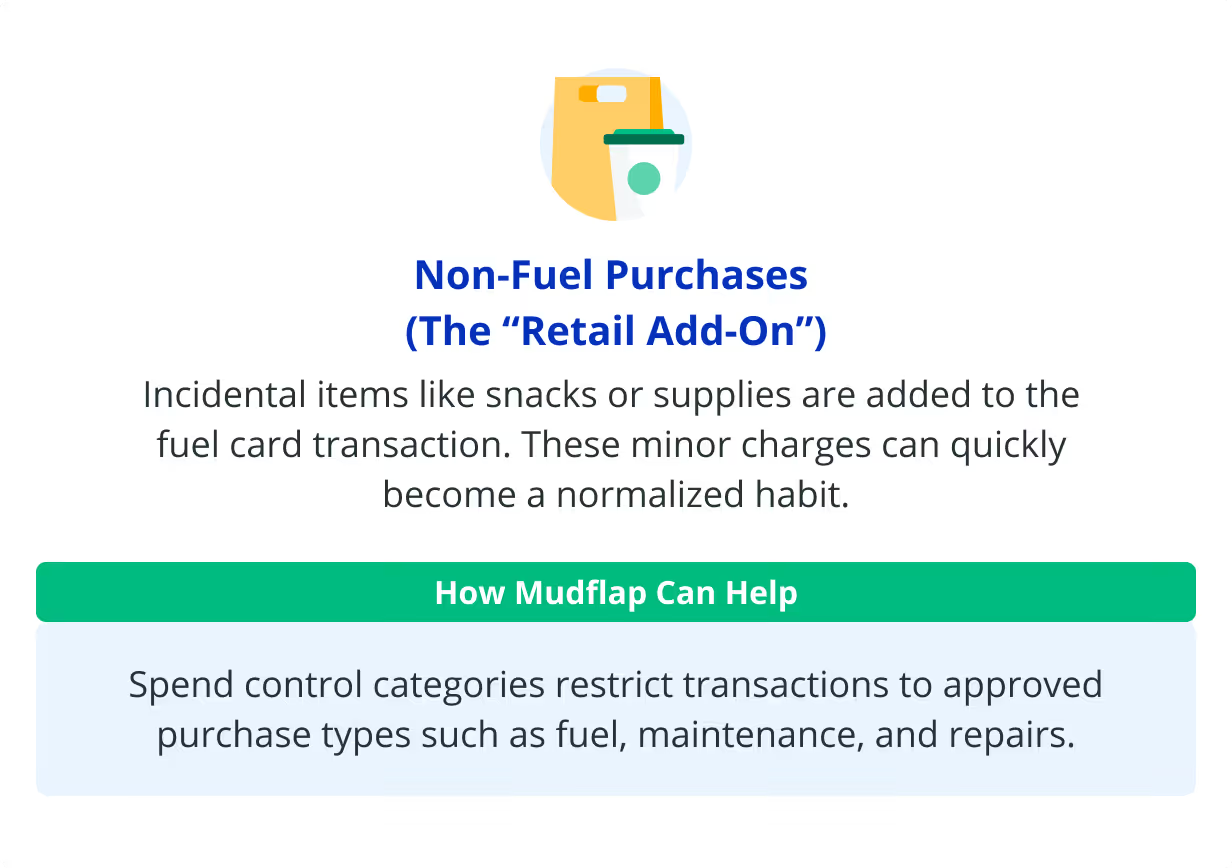
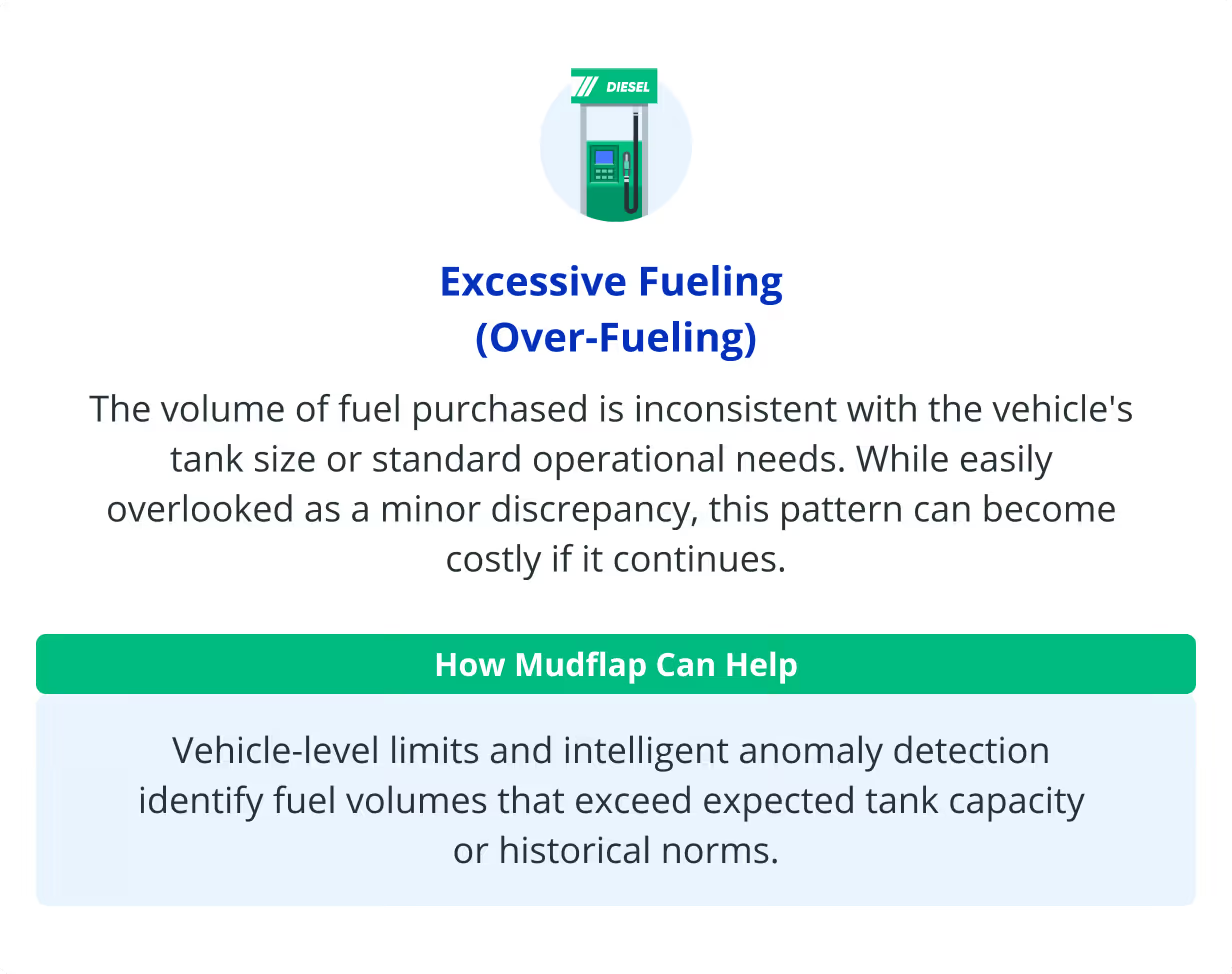
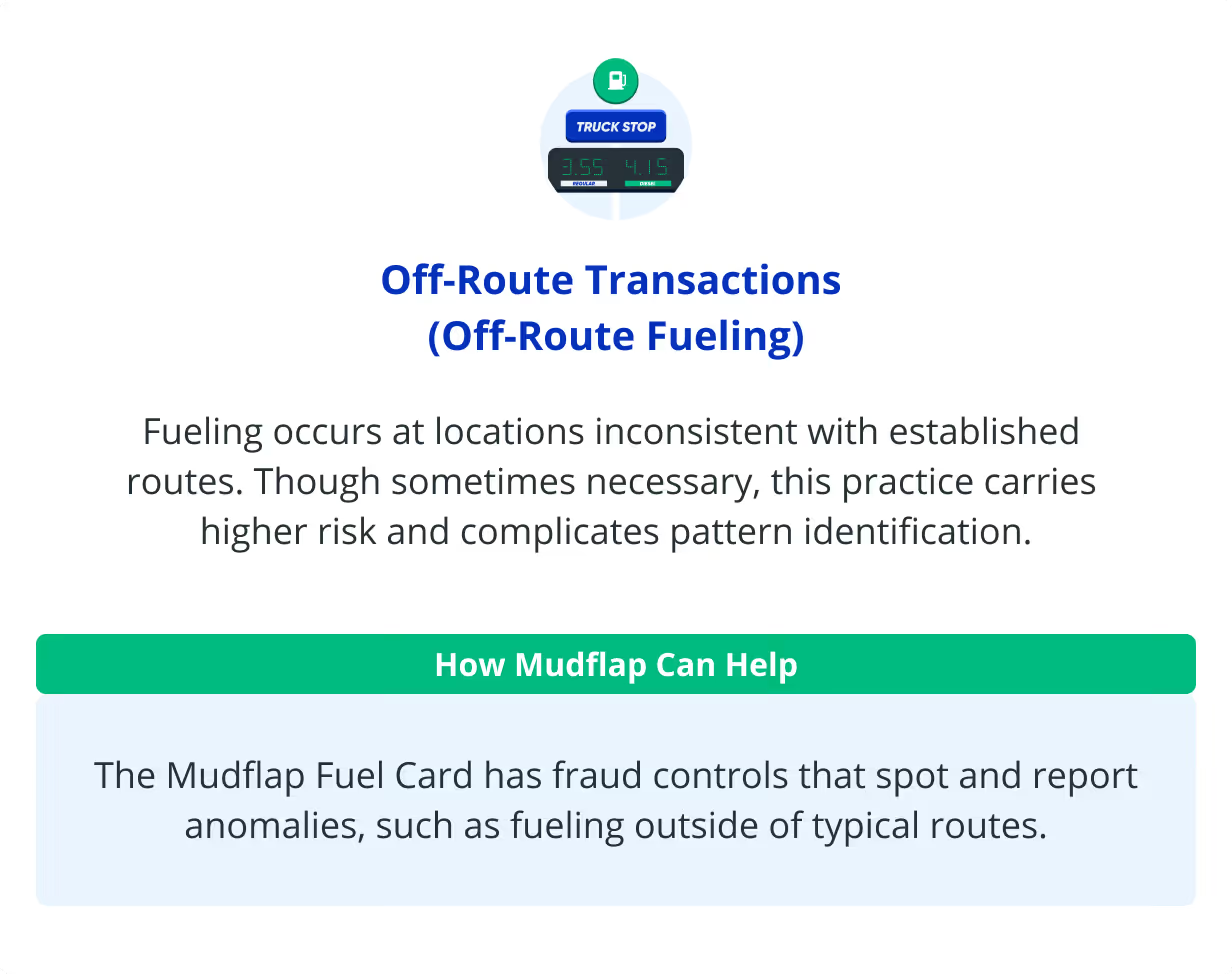
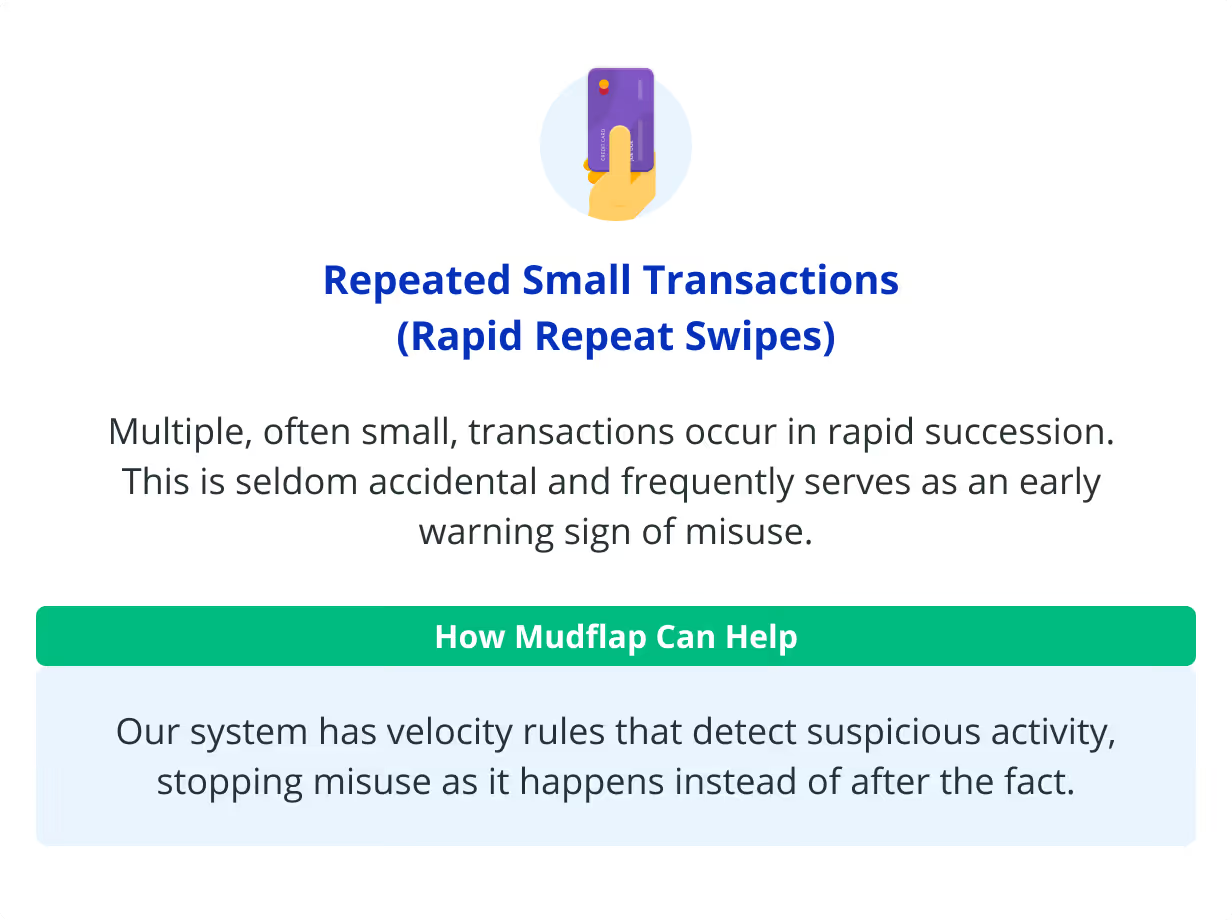
In small fleet operations, fuel misuse or fraud typically falls into these recognizable categories:
.avif)
No single instance confirms fraud. However, when these behaviors form a pattern, early detection is critical. The most expensive form of fuel fraud is the kind that goes unnoticed, blending into normal operational variance until it becomes a persistent, costly issue.
[[cool-background-end]]
Why Recovery Is the Wrong Strategy
Many fleets rely on end-of-month reviews, charge disputes, or policy tightening after losses occur. That approach is understandable, but it often allows misuse to become a recurring tax.
Recovery is slow, inconsistent, and often incomplete. More importantly, it does nothing to stop the same behaviors from occurring in the first place. By the time misuse is discovered on a statement, the conditions that allowed it have already been in place for weeks.
And if you’re only seeing the problem after the money is gone, you’re forced into catch up mode when what you really need is earlier signals and simpler guardrails.
What Control Actually Looks Like in Practice
Effective fraud control starts with building systems that make misuse harder and surface irregularities quickly.
Control starts with establishing norms. Consider giving guidelines around where drivers are encouraged to fuel, when fueling can happen, and how much can be purchased per transaction or per day. These guardrails reduce edge cases before they occur.
Just as important is setting up a regular review cadence. This allows you to surface exceptions quickly, making them easier to address in real time.
Removing the space and time between fraud occurring, and then actually noticing it, means small leaks are never given the chance to compound.
You don’t need perfect visibility. You need faster visibility than the fraud cycle.
Why Fraud Always Spreads Beyond Fuel
Fraud doesn’t just affect fuel spend. It creates volatility, and volatility spreads.
Unexpected fuel losses tighten cash flow, and cash pressure pushes maintenance decisions later. Deferred maintenance raises downtime risk, which disrupts schedules and affects the driver experience. What starts as a fuel issue quickly becomes an operational one.
That’s why Mudflap treats fraud as a first class cost category. Preventing misuse isn’t just a security win, it’s a cash flow stability strategy that protects the rest of the business from downstream pressure.
The Bottom Line
Fuel fraud isn’t a failure of trust or attention. It’s a systems problem.
In small fleets, misuse becomes expensive not just because it happens, but because it has time and space to repeat. Small, repeat irregularities compound when visibility arrives late and controls are loose.
The goal is to design an operation where mistakes are contained quickly and patterns don’t get the chance to form. When that happens, fraud stops being something you hunt for at the end of the month and becomes something your system naturally resists.
That shift from reacting to losses to preventing volatility is what protects far more than fuel spend.
Where to Go From Here
If you do nothing else: start by making misuse visible sooner.
Review fuel exceptions weekly instead of monthly. Delayed review allows minor issues to escalate into persistent losses. A quick, weekly check is generally sufficient to prevent problems from taking hold.
Concentrate on identifying patterns rather than seeking explanations.
Add structure where it matters most.
The Mudflap Fuel Card helps small fleets stay on top of fuel spend so exceptions surface early and volatility doesn’t have the chance to spread downstream.
Align the people who see fuel every day.
Share this article with any colleagues involved in fuel oversight to start a conversation about what actually drives fraud risk.